Moving a piano is not a furniture relocation; it is a precision engineering project involving a fragile, massively heavy, and acoustically sensitive instrument. For North York homeowners and musicians, the decision to use casual labor, a standard moving company, or attempt a DIY move is the single greatest risk to your piano’s structural integrity, its musical voice, and the safety of everyone involved. A single misjudgment—an incorrect tilt on a stair, an unbalanced lift, or exposure to humidity swings during transit—can cause thousands of dollars in internal damage that remains hidden until a tuner opens the case. This guide exists to provide unequivocal clarity: specialized piano moving services are not a premium option; they are the only method that guarantees the preservation of your instrument. We will detail the hidden risks, the specialized equipment and techniques, and the local knowledge required to ensure your piano arrives at its destination in North York not merely intact, but acoustically stable and ready to play.

Understanding the Complexity of Piano Moving Services

To understand why specialization is non-negotiable, you must first grasp what a piano truly is: not a piece of furniture, but a finely tuned machine under extreme physical stress.

Why a Piano is Not Standard Furniture

A sofa is inert. A piano is a dynamic system in a state of high tension. This fundamental difference dictates every aspect of how it must be handled.

The Intricate Internal Mechanics of Uprights and Grands

Inside the elegant cabinet lies a complex mechanism. For an upright: thousands of delicate wooden parts (the action) are suspended behind the keys, connected to felt hammers that strike strings under high tension. In a grand piano, this action is horizontal and even more susceptible to misalignment from jostling. The soundboard—a large, thin wooden diaphragm—amplifies the string vibrations. This entire assembly is held in a state of immense stress by a cast-iron plate (the harp). Mishandling can crack the soundboard, warp action parts, or damage the plate’s mounting points, requiring prohibitively expensive repairs.

Weight Distribution and Center of Gravity Challenges

A standard upright piano weighs 300-500 lbs, a baby grand 500-700 lbs, and a concert grand over 1,000 lbs. This weight is not evenly distributed. In an upright, over 60% of the mass is concentrated in the cast-iron harp at the front. Lifting it like a box—by its sides—creates a dangerous pivot point that can tip the piano or strain the cabinet. Specialists know the exact balance points and use specific lifting geometry to neutralize this risk.

Defining a Professional Piano Moving Service

A professional piano moving service is a niche discipline. It involves crews trained exclusively in piano mechanics and logistics, using equipment not found in standard moving trucks.

Specialized Equipment vs. Standard Moving Tools

Standard movers have furniture dollies and pads. Piano movers use:

Training Requirements for Certified Piano Technicians

While not all movers are technicians, the best have training in piano anatomy. They understand how to safely remove the keyboard lid on a spinet to prevent action damage, the correct order for removing grand piano legs, and how to secure the lyre and pedals. This knowledge prevents the invisible internal damage that untrained movers inflict.

The Risks of DIY or Non-Specialized Piano Moving

The consequences of using unqualified help are permanent, costly, and often dangerous. This is not hyperbole; it’s the daily result of poor decisions.

Potential for Catastrophic Structural Damage

The internal structures of a piano are designed for vertical force (string tension), not the lateral shocks and twisting forces of improper moving.

Stress on the Soundboard and Cast-Iron Plate

Dropping a corner of the piano or hitting a stair can send a shockwave through the cabinet. This can cause the soundboard to crack—a death sentence for the piano’s tone, requiring a rebuild that often costs more than the instrument’s value. It can also crack the brittle cast-iron plate or compromise its bolts to the wooden frame, a catastrophic failure.

String Tension and Tuning Stability Issues

Even without visible damage, improper moving (especially tipping an upright incorrectly) can cause the strings to shift on their tuning pins or the pin block (the wood holding the pins) to loosen. The result is a piano that cannot hold a tune, requiring extensive and expensive regulation and possibly a new pin block.

Risk of Physical Injury to Unscreened Labor

This is the most immediate danger. A 500lb piano with an off-center weight is a physics problem that overwhelms “strong friends.” A slipped grip on a staircase can lead to crushed limbs, herniated discs, or a dropped instrument, causing catastrophic injury and property damage. Professional movers use teamwork, leverage, and equipment to make the weight manageable and safe.

Property Damage Risks in North York Homes and Condos

Your home is also at risk.

Hardwood Floor Scuffing and Staircase Integrity

Dragging a piano on its casters or using a dolly with hard wheels will gouge hardwood and laminate floors. The concentrated weight on a small stair tread can crack or damage the stair itself. Professional dollies distribute weight and have soft, non-marking wheels.

Doorframe and Tight Corner Navigation

In North York’s older homes and modern condos, hallways and doorways are tight. Untrained movers will “force” a piano through, damaging doorframes, walls, and the piano’s cabinet corners. Specialists measure first, plan the path, and often temporarily remove doors or use specific pivoting techniques to navigate without contact.

Essential Equipment Used by Professional Moving Services

The right tools transform an impossible task into a controlled procedure. Here is the specialized arsenal.

Heavy-Duty Piano Boards (Skids)

The cornerstone of piano moving. This is a reinforced wooden platform with padding on the contact side. The piano is carefully lowered onto it and strapped down securely, turning the piano and board into one rigid object. This allows the movers to “walk” the piano downstairs with control, using the skid as a sled, rather than carrying the free-hanging weight.

Specialized Moving Blankets and Padding Techniques

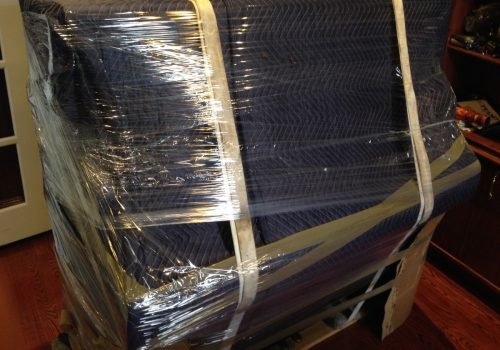
They use thick, felted moving blankets that are tightly taped around the entire cabinet—not just draped. For grand pianos, the lid is clamped shut, and the legs and lyre are removed, with each piece individually wrapped. This protects the high-gloss or delicate wood finishes from scratches and dings.

Custom Dollies with Non-Marring Rubber Wheels

As mentioned, these dollies have wide, soft rubber wheels that roll smoothly and won’t leave marks. They often have adjustable straps built in to secure the piano to the dolly during flat-surface moves.

Hoisting and Craning Equipment for High-Rise Apartments

For high-rise condos where elevators are too small or non-existent, professional services have access to crane and rigging equipment.

Balcony Access and Window Extraction Procedures

This is a last-resort, highly technical operation. The piano is secured in a custom harness, removed through a window or balcony (often with the window frame temporarily removed), and lowered by crane to the ground. It requires engineering assessments, permits, and extreme precision. Only a handful of specialized companies in the GTA offer this.

Step-by-Step Methodology of a Professional Piano Move

A professional move is a choreographed sequence, not an improvisation. Here is the exact process.

Pre-Move Assessment and On-Site Inspection

Before quoting or scheduling, a specialist will visit both locations. They are not just looking at the piano; they are solving a spatial puzzle.

Measuring Dimensions and Identifying Obstacles

They measure the piano’s height, width, and depth. They then measure all doorways, hallways, stairwell widths, and landing sizes on the planned path. They identify tight turns, low-hanging light fixtures, and potential obstacles. This allows them to determine if the move is feasible as-is or if disassembly/alternative access is needed.

Secure Disassembly of Lyres, Lids, and Legs

For grand pianos, this is mandatory. Using specialized, padded tools to avoid marring the bolts, they remove the legs and the lyre (pedal assembly). The lid is often left on but securely clamped. The piano is then carefully lowered onto its side onto the piano board, always with the keyboard facing upward to protect the keys and action.

Proper Wrapping and Heat-Shrink Techniques

The wrapped piano is often further secured with industrial plastic shrink wrap. This holds the blankets tightly in place and provides a moisture barrier, which is crucial when moving between climate-controlled interiors and potentially humid or cold exteriors during Toronto’s variable weather.

Secure Loading and Climate-Controlled Transportation

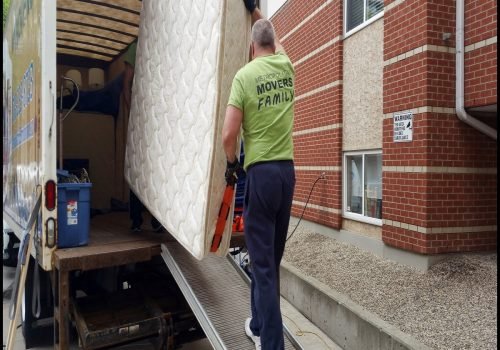
The piano-on-skid is wheeled onto a ramp and into the truck. It is immediately positioned against a wall and strapped to the truck’s anchor points using multiple straps to prevent any movement during transit. For valuable or antique pianos, or in extreme weather, climate-controlled trailers are used to prevent damage from temperature swings and humidity.

Reassembly and Placement at the Destination

The process is reversed. The piano is unstrapped, wheeled to its exact final placement, carefully raised off the skid, and leveled. The legs and lyre are reattached. The movers will place it on felt gliders if requested and ensure it is stable and solid before they leave.

Specialized Care for Antique and Heirloom Pianos

Older instruments demand even greater reverence and caution, as their components are often more fragile.

Handling Vulnerable “Square Grands” and Pre-War Instruments

Antique pianos (like 19th-century square grands) have obsolete and often brittle internal structures. Their cases may be veneered or ornamented. Movers must assess the structural integrity of the case itself before moving—sometimes internal bracing is required. These moves proceed at a slower, more deliberate pace.

Preservation of Delicate Finishes and Ivory Keys

Heat and moisture from hands can damage old finishes and ivory keys. Movers wear gloves when handling these components. Special padding is used to avoid any pressure points on delicate inlay or veneer.

Assessing Structural Soundness of Aging Casings Before Transport

A critical step. A mover will check for loose joints, cracks in the casing, and the stability of internal beams. If the cabinet is compromised, they may recommend on-site reinforcement by a piano technician before the move commences. Moving a structurally unsound antique can cause it to literally come apart.

Climate-Controlled Storage Solutions for Pianos

If you need to store your piano, a standard storage unit is a guaranteed path to damage. Pianos require a very specific environment.

Why Standard Storage Fails Your Instrument

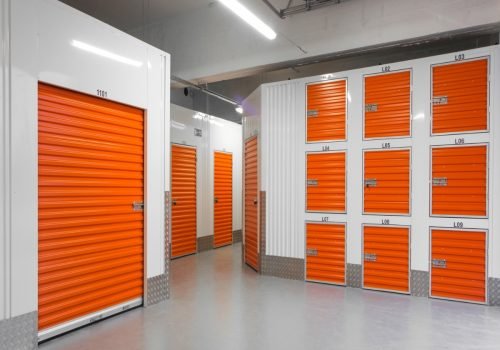
Standard units experience wild temperature and humidity swings—sweltering in summer, freezing in winter, and damp in spring. This causes wood to swell and contract, leading to cracked soundboards, loose joints, glued failures, and rusted strings. It can destroy a piano in a single season.

Maintaining Critical Humidity Levels (45%-55%) to Prevent Wood Cracking

A proper piano storage facility is climate-controlled, meaning both temperature and relative humidity are constantly regulated. The ideal range is 45%-55% relative humidity. This stability is non-negotiable for preserving the wood, glue, and felts inside your instrument.

Short-Term vs. Long-Term Secure Holding Facilities

Short-term storage (weeks or months) might be needed during a home renovation or between closing dates. Long-term storage (years) requires the same climate standards, but also considerations like periodic inspections and possibly placing the piano on insulation to protect it from floor moisture. Ensure the facility has appropriate security and access protocols.

When to Seek Professional Piano Moving Services

The threshold for calling a specialist is extremely low. If the piano is moving, professionals should be involved.

Local Residential Relocations in North York

Moving from one North York home to another, even a few blocks away. The risks of stairs, doorways, and loading remain identical to a long-distance move.

Internal Room-to-Room Moving for Renovations

Simply moving a piano to another room in your house often involves thresholds, tight corners, or a step down. Professional movers can execute this quickly and safely without disrupting your entire home.

Long-Distance Corporate and Estate Transfers

Moving a piano across the province or country requires the expertise covered here, plus the logistics of long-haul, climate-controlled transport. For these moves, the piano often requires custom wooden crating for maximum protection.

Moving Pianos for Concerts, Schools, and Religious Institutions

These are often high-value instruments on tight schedules. Professional services are used to the precision and care required, and they can often work outside normal hours to accommodate event schedules.

Factors Influencing the Cost of Piano Moving

The price reflects the specialized labor, equipment, insurance, and risk. Understanding the variables helps you interpret quotes.

Type and Size of the Instrument (Spinet vs. Concert Grand)

A spinet is the smallest and lightest, often at the lower end of the price range. A full concert grand is the most expensive due to its size, weight, and the crew/equipment required.

Number of Stairs, Flights, and Multi-Level Challenges

This is the biggest cost variable after the piano itself. A ground-floor move through wide doorways is standard. Each flight of stairs, especially narrow or winding ones, adds significant time, labor, and risk, increasing the cost. Long carries from the street also add to the price.

Distance and Fuel Surcharges within the GTA

Local moves within North York or to adjacent municipalities have a base rate. Longer distances within the Greater Toronto Area incur additional travel time and fuel costs.

Specialized Insurance and Liability Coverage Limits

Any legitimate quote will include adequate insurance. The cost of Full Value Protection (see next section) is factored into the premium service. Beware of quotes that seem low—they may be assuming minimal, worthless coverage.

Insurance, Valuation, and the Piano Moving Claims Process

This is the most critical financial protection you have. Standard moving insurance is designed for furniture, not fine instruments.

Why Standard Mover’s Liability is Worthless for a Piano

By default, movers are liable for “released value” at a rate of $0.60 per pound. A 500lb grand piano would be covered for $300. This does not cover a single tuning, let alone repairs for a cracked soundboard. You must explicitly purchase additional valuation.

Full Value Protection: The Only Sensible Choice

This is an added-cost option that provides meaningful coverage. For a declared value (often the piano’s current appraised or fair market value), the mover is liable for the repair, restoration, or replacement of the instrument if it is lost or damaged. There is typically a deductible. For a valuable piano, this is non-negotiable.

The Specialized Claims Process for Piano Damage

  1. Note Visible Damage at Delivery: Any scratches, dents, or broken legs must be noted on the driver’s inventory sheet before you sign.
  2. Report Hidden Damage Promptly: Internal damage (buzzes, action problems) may not appear until you play it. Most policies require reporting within 30-90 days. Contact the moving company immediately.
  3. Assessment by a Piano Technician: The mover will require an assessment and repair estimate from a certified piano technician (RPT). You may choose the technician, or they may send one.
  4. Settlement: Under Full Value Protection, the mover will pay for the repairs or, if deemed a total loss, provide a cash settlement based on the instrument’s depreciated value.

Local North York Logistics and Regulatory Compliance

A North York-based specialist brings indispensable local knowledge that streamlines your move.

Navigating Parking Permits and Commercial Vehicle Restrictions

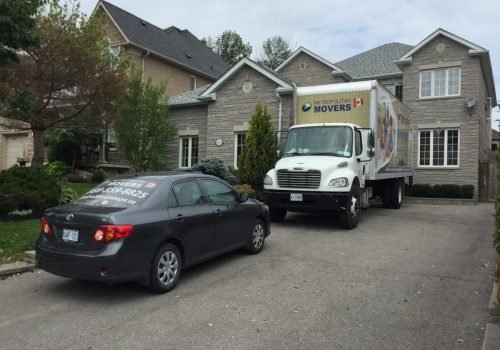
Parking a large moving truck on residential streets in North York often requires a permit from the city. Professionals know how to obtain these temporary parking permits and the time restrictions on major arteries like Yonge Street or Steeles Avenue.

Coordinating with Building Management in High-Density Corridors

For moves in the condo towers along Yonge Street or in North York City Centre, specialists know the drill: booking freight elevators weeks in advance, providing certificates of insurance to property management, and complying with strict move-in/move-out windows and noise bylaws. They handle this admin, preventing move-day lockouts.

Understanding Local Traffic Patterns and Optimal Transport Windows

They schedule moves to avoid rush hour gridlock on the 401 or DVP. They know the best times to navigate areas like the Sheppard Avenue corridor or the Don Valley. This local routing intelligence prevents unnecessary delays and stress.

Choosing the Best Piano Moving Services in North York

Your selection criteria must be specific to this unique task. General mover reviews are irrelevant.

Verifying Specialized Insurance and WSIB Compliance

Ask for proof of both cargo liability insurance (with Full Value Protection details) and WSIB (Workplace Safety and Insurance Board) clearance for their employees. This protects you if a worker is injured on your property. A reputable North York moving company specializing in pianos will provide this readily.

Reading Industry-Specific Reviews and References

Look for reviews that mention “piano” specifically. Ask the company for 2-3 references from recent piano moves, ideally for a piano similar to yours (upright vs. grand). Testimonials about moving couches do not apply here.

Evaluating Transparency in Estimates and Contracts

A legitimate specialist will insist on an in-person survey before giving a firm quote. The quote should be detailed, listing all potential charges (stairs, distance, insurance). Avoid companies that give flat-rate quotes over the phone—they are guessing and will likely have hidden fees.

Post-Move Care and Instrument Maintenance

The mover’s job ends when the piano is placed. Your job to preserve its health begins immediately. Follow this sequence.

Settling Time: When to Tune Your Piano After a Move

This is the single most important post-move instruction. Do not tune your piano immediately. The wood and strings need to acclimate to the new environment’s temperature and humidity. Schedule a tuning with a Registered Piano Technician (RPT) 3-4 weeks after the move. This allows the piano to settle, ensuring the tuning will be stable. A tuning attempted too soon will drift quickly, wasting your money.

Ideal Environmental Conditions: Humidity and Temperature Control

Place your piano away from direct sunlight, heating vents, fireplaces, and exterior doors. Consistent temperature (~20°C) and humidity (45-55%) are key. In dry Toronto winters, consider a piano humidifier system installed inside the piano. Stable conditions prevent tuning instability and wood damage.

Cleaning and Polishing the Cabinet Post-Transit

After the acclimation period, you can gently clean the cabinet. Use a soft, slightly damp cloth for dust. For polished finishes, use a product specifically made for high-gloss piano finishes—never household furniture polish, which can cause clouding or damage over time.

Secure Your Instrument with North York’s Piano Moving Specialists

You now understand the profound gulf between moving furniture and moving a piano. The risks of catastrophic internal damage, severe personal injury, and financial loss are concrete and preventable. The solution is not just hiring movers, but hiring the specific experts whose tools, training, and daily focus are dedicated to this singular, complex task.

Your piano is an investment in music, heritage, and joy. Protecting that investment requires a partner who treats the instrument with the technical reverence it demands. For North York residents, that partner is the specialized piano moving team at Metropolitan Movers. We bring the necessary equipment, the proven techniques, and the local knowledge to ensure your piano’s journey is safe, secure, and seamless.

Ready for a stress-free, professional piano move? Let’s start with a detailed, on-site assessment. We’ll provide a clear plan and a transparent quote, giving you complete confidence on moving day.

Book Your Free, On-Site Piano Moving Assessment in North York Today

Leave a Reply

Your email address will not be published. Required fields are marked *