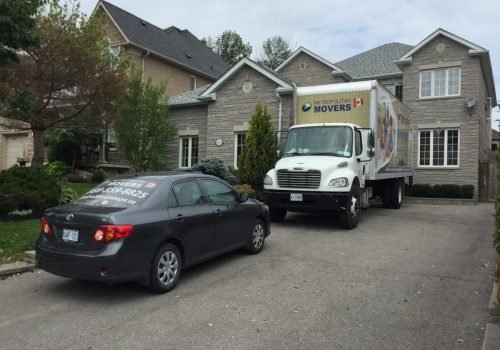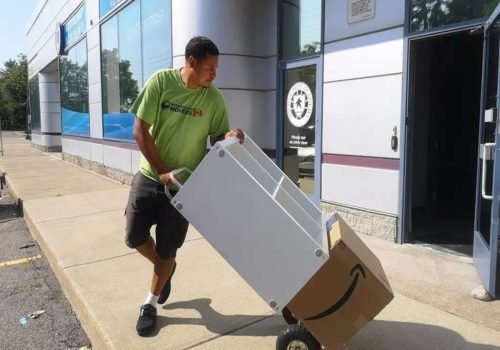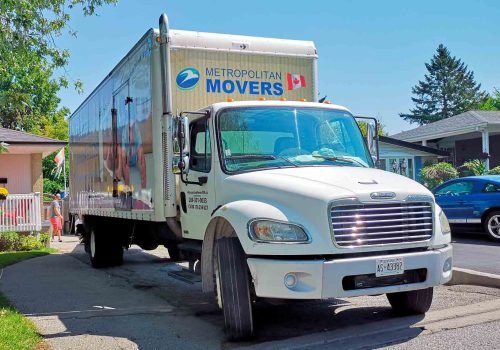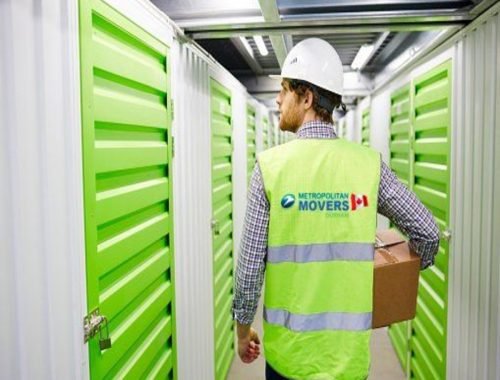
Moving from Toronto to another province is a monumental undertaking, not merely an extended version of a local move. You are navigating a complete shift in logistics, regulations, and risk. Your entire household must travel thousands of kilometers, often through variable weather and across multiple climate zones, facing the very real dangers of shifting loads, temperature extremes, and a chain of custody that can involve several handlers. The cost of a mistake isn’t a local callback; it’s a weeks-long delay, a lost crate of essentials, or a devastating dispute with a carrier who is now provinces away. This guide provides the strategic framework Toronto residents need. We will detail how professional long distance moving services are structured to manage these immense complexities, providing the clarity and confidence to transform a potentially overwhelming cross-country relocation into a coordinated, predictable, and secure journey to your new home.

Understanding Long Distance Moving Services

Before soliciting quotes or setting dates, you must comprehend the industry you’re engaging. Long distance moving is a federally regulated service with distinct rules, far removed from the hourly rates of local moves.

What Are Long Distance Moving Services?

Long distance moving services are comprehensive relocation solutions for shipments typically traveling over 400 km or across provincial boundaries. Governed by federal transportation regulations, they are built on a framework of precise logistics, legal documentation (the Bill of Lading), and regulated valuation coverage. The core service is transportation via commercial moving van, but the true value lies in the structured process: legally binding weight-based pricing, detailed inventory management, professional liability that follows your goods across the country, and accountability for a multi-stage logistical operation. It is a service of managed risk over great distances.

How Long Distance Moves Differ From Local Moves

The differences are foundational in pricing, regulation, and operation.

Who Needs Professional Long Distance Moving Services?

The need arises with distance and complexity. Any household relocation from Toronto to another province, or any move exceeding a one-day driving distance where a round trip by a crew is impossible, falls into this category.

Common Reasons for Interprovincial Relocation

These include job transfers, retirement to another province, moving closer to family, lifestyle changes (e.g., to a milder climate), university attendance, or military postings. Each scenario involves not just a move, but a life transition where the stress of logistics must be minimized to allow focus on the larger change.

Why Long Distance Moving Services Matter

Attempting a self-managed or DIY interprovincial move is one of the highest-risk endeavors a household can undertake. The distance magnifies every minor issue into a major crisis.

Complexity and Logistics of Long-Haul Relocation

You are not just driving a truck; you are managing a freight shipment. This involves securing a vehicle rated for thousands of kilometers, understanding highway safety laws across multiple provinces, planning for fuel, rest stops, and potential breakdowns. If you opt for a portable container service, you become the project manager coordinating between the drop-off company, the freight carrier, and the final delivery service—a chain with multiple failure points. A single communication gap can leave your container stranded in a depot in another province.

Risk Management for Long Distance Moves

Household goods shipped over long distances face unique hazards: constant vibration for days, temperature extremes inside trailers, and multiple handling points. Without professional packing techniques designed for freight vibration (double-boxing, strategic padding, immobilizing contents), items can literally shake apart. In a DIY move, insurance is often an afterthought—basic rental truck coverage that offers pennies on the dollar for loss. Professional movers provide structured, federally recognized valuation coverage options.

Time, Cost, and Stress Considerations

The hidden costs of a DIY move are staggering: truck rental, fuel, hotels, meals, tolls, and your own time off work often add up to a sum approaching or exceeding the cost of a budget professional mover, without any of the labor, expertise, or liability coverage. The stress of driving a large vehicle cross-country, coupled with the physical exhaustion, can mar the transition to your new home. Professional services exchange this burden for predictability and peace of mind.

Types of Long Distance Moving Services

Not every cross-country move requires an identical service model. Understanding the options ensures you pay for what you need.

Interprovincial Long Distance Moving Services

This is the core service for moves from Toronto to another province (e.g., Ontario to Alberta). It focuses on navigating the regulatory and logistical specifics of crossing provincial lines, including potential restrictions on household goods (plants, certain chemicals) and understanding the standard transit corridors and times.

Cross Country Moving Services Across Canada

This denotes the capability to move to any province or territory. It implies experience with the full spectrum of Canadian geography and climate—from navigating mountain passes to planning for remote community access. These movers have networks and partners across the country to facilitate deliveries outside major urban centers.

Long Distance Residential Moving Services

This specifies the mover’s focus on households rather than commercial freight. It means they are equipped with furniture pads, wardrobe boxes, and packing materials suitable for home contents, and their crews are trained in handling household items with care, as opposed to palletized commercial goods.

Long Distance Corporate and Employee Relocations

Often offered through corporate contracts, these services may include additional perks like temporary housing coordination, vehicle shipping, and more generous valuation coverage. They are designed for employees being transferred by their company and often involve dedicated move counselors.

Moving Services Across Canada: What to Expect

Operating a moving service across provincial lines requires specific knowledge and compliance.

Coverage Areas and Provincial Routes

Reputable movers have established routes and hub cities. A move from Toronto to Vancouver typically follows the Trans-Canada Highway corridor through Northern Ontario, the Prairies, and the Rockies. Moves to the Maritimes follow the 401/20 corridor through Quebec. Understanding these standard routes helps set realistic transit time expectations (e.g., Toronto to Vancouver is 7-10 driving days, not 3).

Regulatory Differences Between Provinces

While federally regulated, some provinces have specific rules movers must follow regarding weigh scales, travel permits, or hours of service for drivers. A professional mover navigates these seamlessly.

Licensing, Compliance, and Transport Regulations

Any company transporting goods across provincial lines for hire must have a valid federal motor carrier license (often indicated by a USDOT number in Canada). They must also carry adequate cargo liability insurance. When vetting movers, verifying this licensing is a non-negotiable first step. Compliance ensures they are subject to regulated standards of service and consumer protection.

Planning a Long Distance Move From Toronto

A successful cross-country move is 90% planning. A disciplined approach prevents chaos.

Pre-Move Assessments and Virtual Surveys

For long distance moves, an accurate assessment is critical for a binding quote. This is typically done via an in-home survey or, increasingly, a detailed video walkthrough. A move coordinator will inventory your home room-by-room, noting furniture types and estimated volume. This survey forms the basis of your weight estimate and final price. Hiding items or underestimating here leads to costly “weight bumps” on move day.

Creating a Long Distance Moving Timeline

This is a backward plan from your desired delivery date.

Inventory Planning for Cross-Province Moves

Create a detailed room-by-room inventory list as you pack. This serves multiple vital functions: it ensures nothing is left behind, it’s essential for insurance claims, and it allows you to label boxes with a number that corresponds to the list (e.g., “Kitchen – Box 3 of 15: Pots, pans, utensils”). This system is invaluable when unpacking in your new home.

Packing for Long Distance Moving Services

Packing for a cross-country move is an engineering challenge. The goal is to survive vibration and handling over days, not just a short trip.

Packing Standards for Long-Haul Transportation

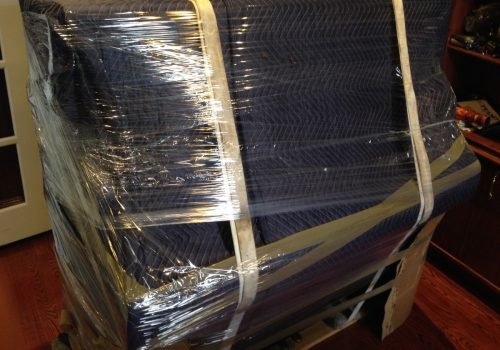
Professional packers use techniques homeowners rarely consider: double-boxing fragile items with cushioning between boxes; using dish-pack boxes with cell dividers for china; filling empty spaces in boxes with packing paper to prevent collapse; and wrapping every item, even within a box, to prevent scratching. Furniture is not just padded; it’s shrink-wrapped to protect finishes from scuffs and humidity.

Fragile Items and High-Value Belongings

Items like fine art, mirrors, and antiques are placed in custom-built cartons. Electronics should be packed in their original boxes with fitted foam. For extremely high-value items, inform your mover during the survey; they may recommend custom crating. Consider carrying irreplaceable heirlooms, jewelry, and critical documents with you personally.

Furniture Protection and Secure Loading

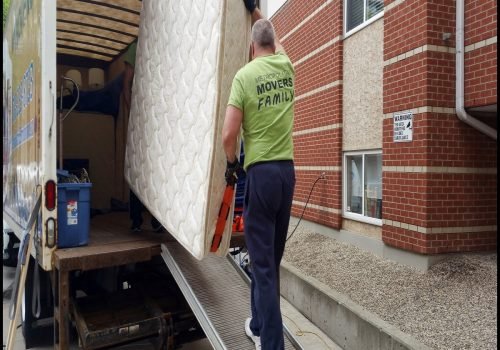
This is where professional technique is paramount. Movers use the “wall-building” method in the truck. Furniture and boxes are loaded to form a tight, interlocked wall from floor to ceiling, secured with straps to the truck walls. This prevents any shifting during transit, which is the primary cause of damage in long hauls. Nothing should be able to move even an inch.

Labeling and Inventory Tracking Systems

Each box receives a unique number that corresponds to your master inventory list and the room it belongs in. Professional movers often use a system where the box number, a brief content description, and its destination room are logged digitally. This allows for tracking throughout the move and ensures boxes are delivered to the correct room at your new home, saving immense time and confusion.

Transportation and Logistics for Long Distance Moves

This is the “black box” phase for clients. Understanding the options demystifies the process.

Dedicated vs Shared Truck Options

Dedicated (Exclusive) Truck: Your belongings occupy the entire trailer. This offers the fastest, most direct transit and minimizes handling, as nothing is added or removed en route. It’s more expensive but provides greater security, predictability, and often gentler handling.
Shared (Consolidated) Truck: Your shipment shares trailer space with other shipments heading in the same general direction. The truck makes multiple stops to load and unload. This is more cost-effective but results in longer transit times, more handling (increasing marginal risk), and less predictable delivery dates.

Pros and Cons of Consolidated Shipments

Pros: Lower cost. Cons: Longer transit (your shipment may sit in a warehouse waiting for other shipments to fill the truck), less precise delivery windows, and increased handling. Always ask which service your quote is for.

Transit Time Estimates and Scheduling

The mover will provide an estimated delivery window (e.g., “Pickup July 1, Delivery between July 10-14”). This is a range, not a guaranteed appointment, due to variables like weather, road conditions, and for shared trucks, other deliveries. As the truck travels, you should receive updates. The driver will typically call 24-48 hours before arrival to schedule a specific delivery day and time.

GPS Tracking and Shipment Monitoring

Reputable companies use GPS tracking on their trucks. You should be given a way to track your shipment’s progress, often via a online portal with a unique PRO number or via updates from your move coordinator. This transparency is a key indicator of a professional operation.

Storage Solutions for Long Distance Relocations

Timing mismatches between moving out and moving in are common. Storage provides critical flexibility.

Short-Term Storage During Interprovincial Moves

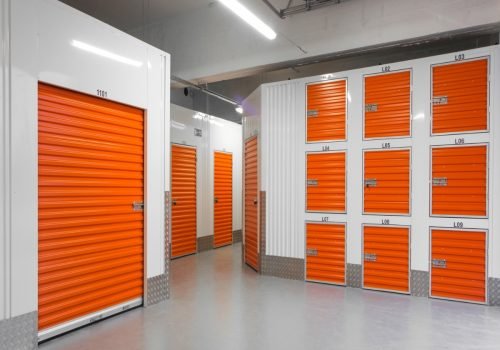
If you need to vacate your Toronto home before your new one is ready, the mover can transport your goods to a secure, climate-controlled storage facility. Your valuation coverage typically remains in effect. They will then deliver from storage to your new address on a pre-arranged date. This is known as “storage-in-transit.”

Long-Term Storage for Delayed Move-Ins

For longer delays (e.g., waiting for a new build), your goods can be placed into long-term storage. Ensure you understand the monthly costs, access policies, and that the facility is appropriate for household goods (climate-controlled, clean, and secure).

Storage-in-Transit Options

This is a specific moving industry term for temporary storage offered by the moving company at a hub along the route. It’s often used in consolidated moves where your shipment is held until a truck going to your final destination is available. There is usually a limited number of “free” storage days included before daily charges apply.

Costs and Pricing of Long Distance Moving Services

Understanding the cost drivers is essential for budgeting and comparing quotes fairly.

Factors That Affect Long Distance Moving Costs

The primary formula is Weight x Distance + Services + Access.

Distance, Weight, Access, and Timing

Distance: The mileage from your Toronto doorstep to your new one is the base variable.
Weight: This is the biggest cost driver. Your shipment is weighed on a certified scale after loading. The estimated weight from your survey determines the quote, but the actual weight sets the final cost. Decluttering is your most powerful cost-control tool.
Access: Long carries from the truck, flights of stairs, elevator use, or shuttle services (if a large truck can’t access your street) all add cost.
Timing: Peak season (summer) moves often cost more due to high demand.

Understanding Moving Quotes and Estimates

Binding Estimate: Guarantees the total price, provided your shipment does not exceed the inventory listed during the survey. This is the most secure option. The price can only increase if you add items or services.
Non-Binding Estimate: A rough guess. The final price is based on actual weight and can be significantly higher. You are legally obligated to pay the final price. Always insist on a Binding Estimate based on an in-home survey.

Cost Differences Between Local and Cross Country Moving Services

Local moves have a transparent hourly rate. Long distance costs seem opaque because they are based on weight, which is unknown until loading. The average cost for a cross-Canada move for a 3-bedroom home can range from $8,000 to $15,000+, depending on the factors above. The value lies in the managed risk and complex logistics, not just the transportation.

Choosing the Right Long Distance Moving Company

This is the most critical decision in your relocation. Due diligence is your primary protection.

What to Look for in Long Distance Moving Services Providers

Licensing, Insurance, and Experience

Verify their federal motor carrier license. They must carry adequate cargo liability insurance. More importantly, understand the valuation coverage they offer. The included “released value” protection (e.g., $0.60 per pound) is grossly inadequate. You must purchase “Full Value Protection” for meaningful coverage. Experience matters: ask how many years they’ve been doing long distance moves and for references to your destination province.

Questions to Ask Before Hiring Cross Country Movers

Red Flags to Avoid in Long Distance Moves

Insurance, Valuation, and Liability Coverage

This is the most misunderstood but critical component. Movers offer “valuation,” not traditional insurance.

Valuation Options for Long Distance Moving Services

Basic (Released Value): Included at no extra cost. Liability is limited to $0.60 per pound per article. A 10-pound stereo worth $1,000 is covered for $6. This is useless.
Full Value Protection: You pay an additional fee (based on shipment value). The mover is liable for the repair, replacement, or cash settlement of lost/damaged items at current market value. There’s usually a deductible. This is the only sensible option for a long distance move.

Claims Process for Lost or Damaged Items

  1. Note Damage at Delivery: Any visible damage must be noted on the driver’s inventory sheet (the “Delivery Receipt”) before you sign. Signing clean means you received everything in good condition.
  2. File a Claim Promptly: Most companies have a window (e.g., 9 months). Submit in writing with photos, a copy of the Bill of Lading, and a repair estimate/replacement receipt.
  3. Understand Settlement: Under Full Value Protection, they will arrange repair, replace, or offer a cash settlement based on depreciated value (not original purchase price).

Risk Mitigation for Cross-Province Relocation

Your best mitigation is choosing a reputable mover with Full Value Protection and a clear track record. On your end, create a detailed inventory with photos of high-value items before packing. This documentation is invaluable if a claim arises.

Common Mistakes in Long Distance Moving

Awareness of these errors is the first step to avoiding them.

Underestimating Time and Transit Delays

People plan for the ideal timeline. You must build in buffer time for weather, mechanical issues, and scheduling. Assume your delivery will be at the end of the provided window, not the beginning. Plan your personal travel and temporary housing accordingly.

Inadequate Packing for Long-Haul Transport

Using poor-quality boxes, underfilling boxes (allowing collapse), or failing to protect furniture from vibration are prime causes of damage. Invest in professional packing or follow professional standards meticulously if doing it yourself.

Choosing Movers Without Interprovincial Experience

Hiring a local mover for a cross-country job is a catastrophic error. They lack the equipment, regulatory knowledge, and logistical systems, leading to guaranteed problems. The “savings” will be obliterated by delays, damage, and stress.

Preparing for Moving Day From Toronto

The final preparations ensure loading day goes smoothly.

Final Pre-Move Checklist

Access, Parking, and Building Coordination

In Toronto, this is critical. Secure a parking spot for the moving truck (often requiring a permit from the city). If you’re in a condo, you must book the freight elevator, provide insurance certificates, and comply with move-out rules. The mover can often assist with this, but you must provide the building’s contact and requirements.

Documentation and Inventory Confirmation

Be present during loading. The driver will create a detailed inventory list. Review it carefully as items are loaded. This list is your receipt and your claim document. Ensure it accurately reflects the condition of items and that nothing is missing.

Delivery and Unloading at the Destination

The final phase is about verification and closure.

Delivery Scheduling and Arrival Windows

The driver will call to schedule a specific delivery day/time. Be flexible, but also ensure you or a trusted representative can be present. If you miss the delivery, “redelivery fees” will apply.

Unloading, Placement, and Furniture Setup

The crew will unload boxes and furniture to the rooms indicated on the labels. They will reassemble beds and basic furniture. You can direct them on where to place large items. This is not a full unpacking service unless purchased, but they will place items according to your direction.

Post-Delivery Inspection and Issue Resolution

Before the crew leaves, do a walkthrough. Check off inventory numbers. Inspect furniture for new damage. Note any issues on the driver’s copy of the inventory sheet before you sign. Once you sign, you acknowledge receipt in apparent good condition.

When to Hire Professional Long Distance Moving Services

The threshold for professional help is low for interprovincial moves. The risks are too high to DIY.

Signs a DIY Long Distance Move Is Not Practical

If your move involves more than a studio apartment’s worth of belongings, includes valuable or fragile items, has a fixed deadline, or if the thought of driving a large truck cross-country is daunting, a DIY move is impractical and risky.

Large Homes, Families, and High-Value Moves

The complexity and volume of a family home make professional moving not just advisable but necessary. The logistical and physical demands are beyond the capacity of most families. High-value possessions demand the protection of professional packing and full-value insurance.

Time-Sensitive and Cross Country Relocations

If you have a job start date or school enrollment deadline, you cannot afford the unpredictable delays of a DIY move. Professionals provide a timeline and the accountability to meet it.

Long Distance Moving Services vs Local Moving Services

This comparison highlights why you cannot simply hire your local mover for a cross-country job.

Scope of Planning and Coordination

Local moves require a day-of plan. Long distance moves require a multi-week project plan involving inventory, transit logistics, storage options, and delivery coordination across jurisdictions.

Equipment, Vehicles, and Crew Requirements

Local movers use small to medium trucks. Long distance movers use large, highway-rated tractors and trailers, often with air-ride suspension for a smoother ride. Their crews are trained for multi-day transit protocols and federal regulations.

Risk and Responsibility Differences

In a local move, the mover is nearby if there’s an issue. In a long distance move, your goods are out of your sight and control for days or weeks. The contract (Bill of Lading), valuation coverage, and the company’s national reputation are your only guarantees. This elevates the importance of choosing a proven, reputable carrier.

Local Considerations for Long Distance Moves From Toronto

Starting your journey from a major urban center like Toronto adds specific layers of complexity a local mover understands.

Urban Access and Condo Restrictions

Toronto condos have strict move-out procedures: elevator bookings, liability insurance requirements ($2 million minimum), move-in deposits, and limited time windows. An experienced Toronto mover knows how to navigate these policies with building management efficiently, preventing last-minute denials of access.

Traffic, Permits, and Pickup Scheduling

Professional movers schedule Toronto pickups to avoid rush hour gridlock on the Gardiner, DVP, or 401. They obtain the necessary parking permits for large trucks on residential streets. This local logistical knowledge prevents costly delays on the first critical step of the journey.

Seasonal Factors Affecting Long Distance Relocation

Moving in a Canadian winter adds risk of delays due to highway closures (e.g., in the Rockies or Northern Ontario). Summer is peak season, requiring earlier booking. An experienced mover plans routes and schedules with seasonal weather patterns in mind.

Preparing for a Smooth Arrival After a Long Distance Move

The work isn’t over when the truck pulls away. A few key steps ensure a positive start.

Coordinating Utilities and Essential Services

Ensure electricity, gas, water, and internet are activated at your new home before arrival. Have a plan for your first meal and night. Your “First Night” box should include toilet paper, towels, bedding, basic tools, and snacks.

Adjusting to a New Province

Register for new provincial health coverage, update your driver’s license, and familiarize yourself with local regulations. Allow time for this administrative transition after the physical move is complete.

Post-Move Organization and Settling In

Don’t try to unpack everything in one day. Use your inventory to find essentials. Unpack room-by-room. The first week is for settling in, not perfection. Be patient with yourself and your family as you adjust to your new environment.

Begin Your Cross-Canada Journey with a Trusted Partner

You now have a complete strategic understanding of an interprovincial long distance move—from the binding estimate based on certified weight to the final delivery inspection. This knowledge transforms you from a vulnerable consumer into an informed client, capable of selecting the right partner and managing the process with confidence.

The final step is choosing a mover who not only understands these complexities but executes them with accountability and care. You need a partner who views your cross-country relocation as a mission to transport your life securely and on time, not just as a trucking job.

For Toronto families embarking on this significant journey, the long distance moving team at Metropolitan Movers provides the expertise, transparent binding estimates, and full-value protection needed for peace of mind. We manage the coast-to-coast logistics so you can focus on the new chapter ahead.

Ready to get a clear, binding plan for your interprovincial move? Let’s start with a detailed assessment. Our move coordinators will provide a comprehensive quote and timeline, giving you the confidence to move forward.

Schedule Your Free, No-Obligation Long Distance Move Consultation Today

Leave a Reply

Your email address will not be published. Required fields are marked *